
NOEMI Aerospace is a trademark © of Elfly AS

© 2026

Eric Kenzo flighsim

ONE STEP CLOSER TO FIRST FLIGHT

In our latest update, Founder and CEO Eric Lithun reflects on what we achieved in 2025, and why 2026 marks a decisive shift.

13.02.2026

Eric Lithun in front of the NOEMI mockup model, used for physical flight deck and cabin validation.

2025: VALIDATING THE CONCEPT
2025 was not about visibility. It was about validation.

We froze the NOEMI design. After years of engineering work, testing and iteration, we committed to a final configuration. Freezing a design is more than a technical milestone, it is a decision to stand behind the concept and prepare it for hardware. From that point forward, the work becomes more concrete. Margins tighten and responsibility increases.

News collage
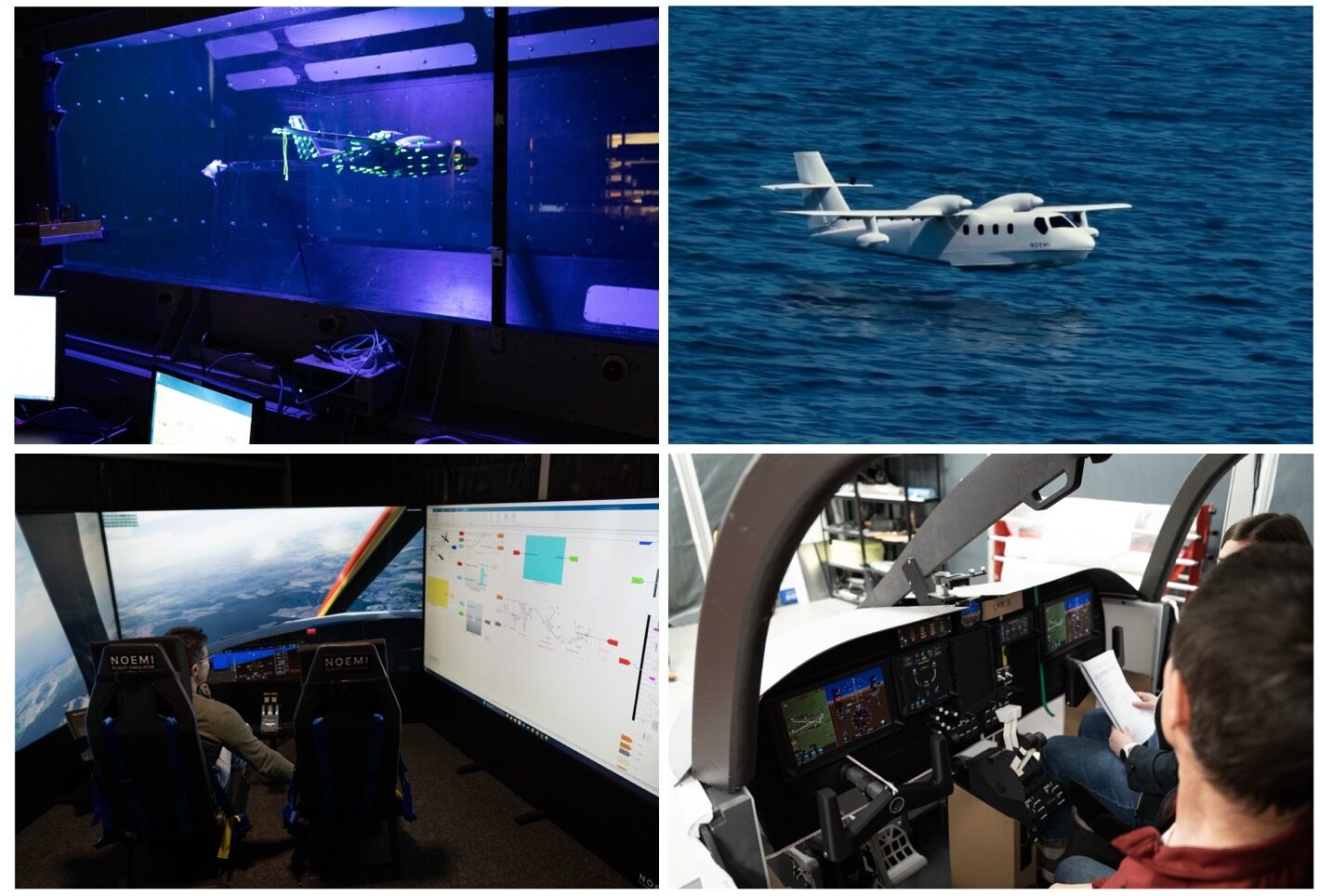
2025 was all about validation: Wind tunnel & aerodynamics. Sub-scale & hydrodynamics / water-operations. Engineering / flight simulator, control and handling performance. Mockup & physical flight deck design.

WIND TUNNEL
We then brought the aircraft into the wind tunnel. Measured data aligned closely with our simulations, confirming that the aerodynamic concept performs as intended. Just as importantly, the tests showed where further refinements could deliver additional gains. This phase exists to confirm what works, identify improvements and reduce uncertainty before moving to full scale.

Wind tunnel testing at KTH Stockholm

SUB-SCALE MODEL
In parallel, we built a 1/5 scale model, a 4.5-meter wingspan aircraft designed to behave like the real thing, and flew it successfully. These flights were not symbolic. They delivered critical data on hydrodynamics, stability and control in real operating conditions. Each test narrowed the gap between theory and reality, strengthening the foundation for the full-scale aircraft.

ENGINEERING AND FLIGHT SIMULATOR
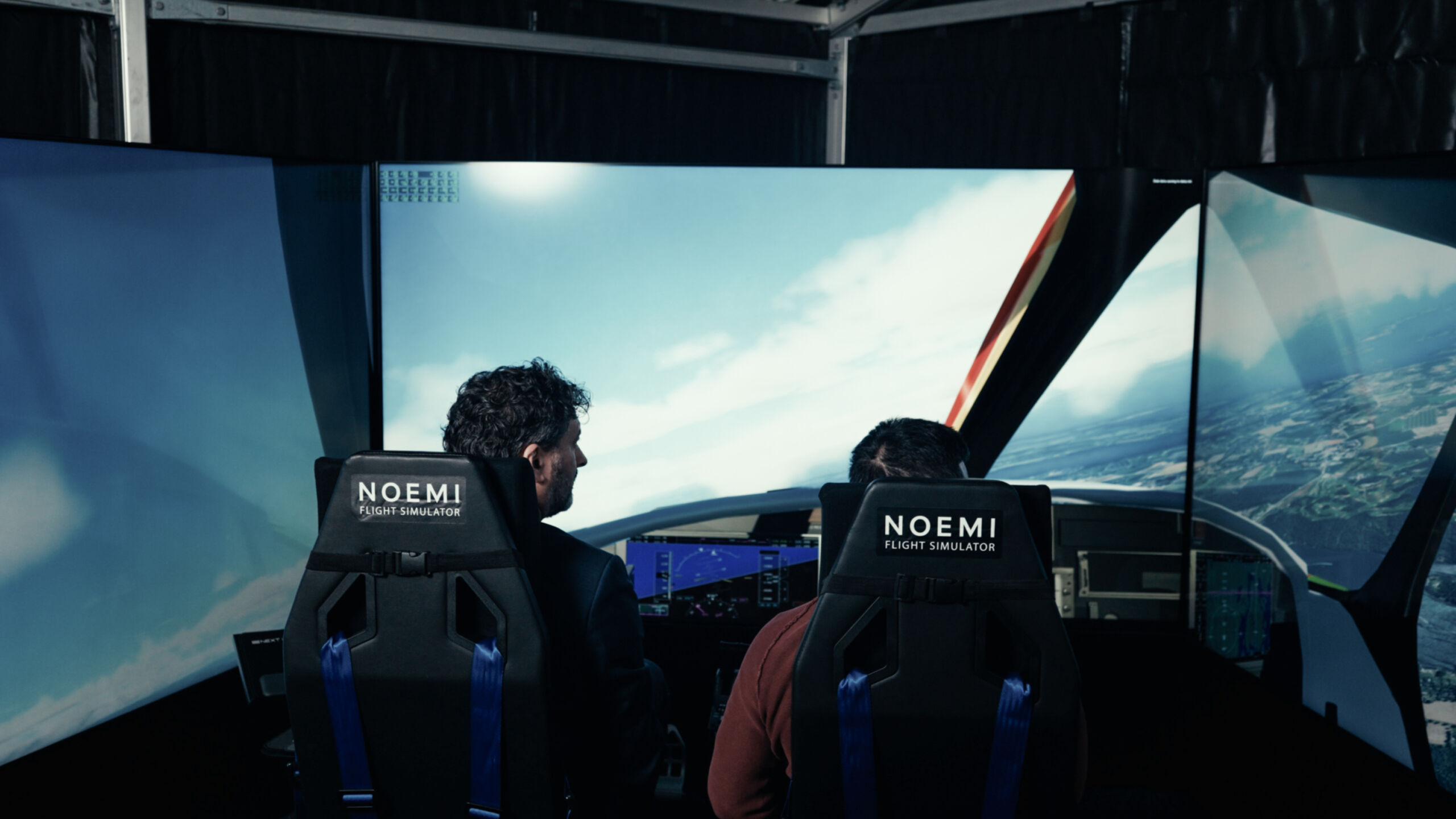
Validation continued beyond physical testing. Using aerodynamic data from wind tunnel campaigns and CFD analysis, our team refined the aircraft through an in-house engineering and flight simulator. The simulator allows the engineers to evaluate control and handling performance, validate analytical models and improve aircraft characteristics long before the full-scale prototype leaves the ground.

DEMAND
At the same time, the market responded. We secured more than 70 soft-orders across five continents. Operators are actively preparing for cleaner, quieter and economically viable coastal aviation. The demand is concrete and global.

US foothold and $200 million MoU

PAC AGREEMENT
We also signed a Pre-Application Contract with EASA. Certification is embedded in our development from the outset. We work with regulators early because responsible aerospace programs are built in alignment, not in hindsight.

Our first formal step toward certification

By the end of 2025, we had something solid.  A validated design, aerodynamic confirmation from wind tunnel testing, simulator-verified handling characteristics, flight-tested sub scale results, commercial traction and a defined regulatory path. That is what makes the next step not just ambitious, but credible.
2026: NOW WE BUILD
In 2026, we begin building the full-scale experimental prototype. 

We start with the Critical Design Review, the formal gate between design and production. Every system must demonstrate maturity. Every interface must be resolved.

Parts begin arriving within weeks, with building and assembly starting at the end of the first quarter. This marks a clear transition. We are no longer refining a concept, we are committing to hardware.

Building a full-scale aircraft changes a company. It demands precision across engineering, supply chain, quality assurance and certification planning. It requires capital, discipline and sustained focus.

Alongside the build, we will continue expanding our orderbook and working closely with operators preparing for sustainable coastal routes.

We are also raising capital to carry the programme from prototype through flight testing and certification, seeking long-term partners who understand that progress in aerospace is measured in real milestones, not headlines.

2027: TAKING IT INTO THE AIR
Our ambition is clear. First flight of the full-scale experimental prototype in 2027.

It will be demanding. Aerospace always is. But risk has been reduced step by step, through wind tunnel validation, sub scale flight testing, regulatory alignment and growing commercial support.

This is how we build NOEMI. With courage to commit, curiosity to test, clarity in execution and care for the responsibility that comes with building aircraft.