NOEMI Aerospace is a trademark © of Elfly AS

© 2026

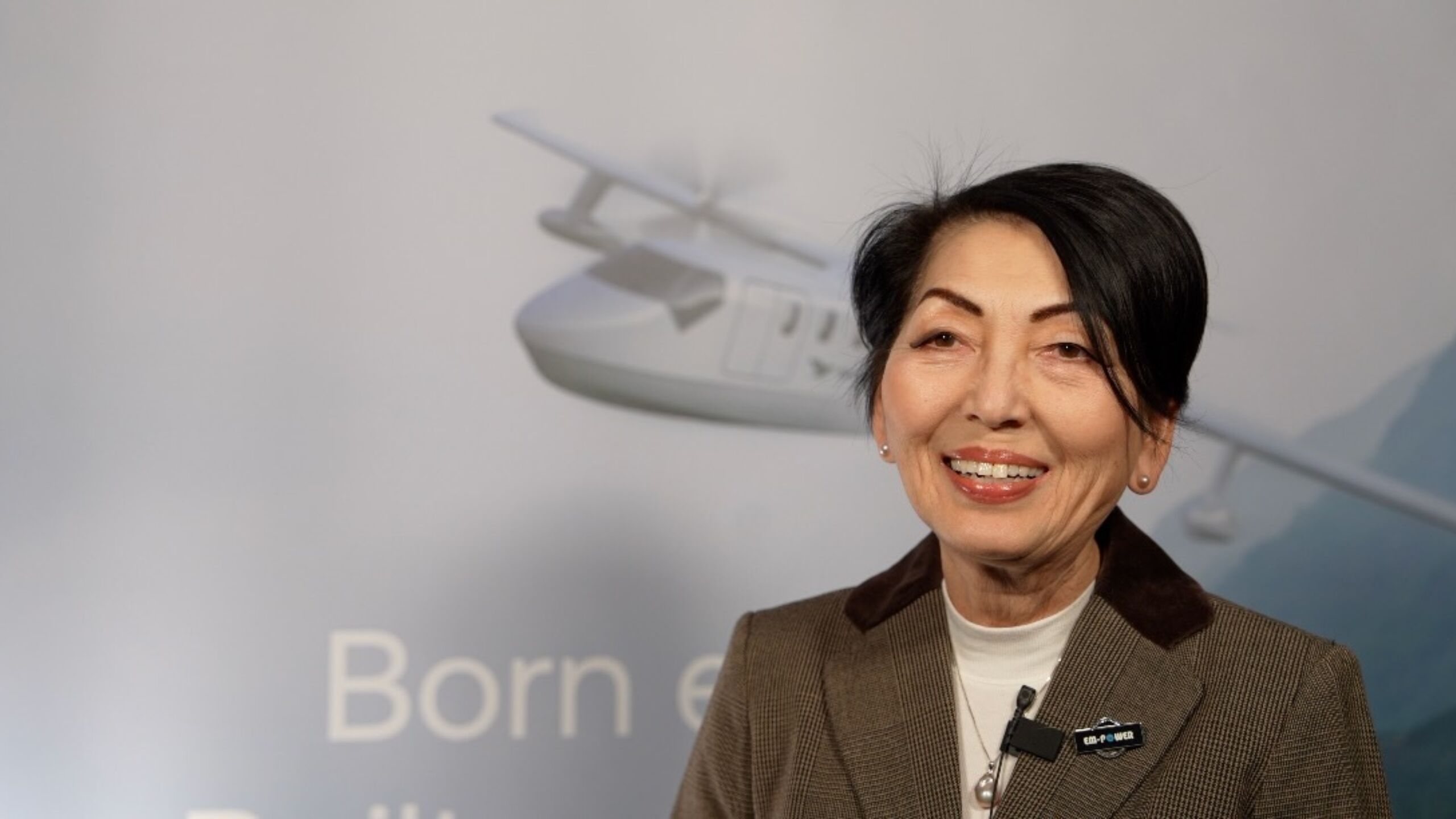
Susan intro thumbnail

WHAT GIVES AN AEROSPACE PROGRAM A REAL CHANCE OF SUCCEEDING?

New aerospace programs do not emerge often. Historically, major aircraft developments have appeared only once every decade or two, shaped by technological readiness, market demand, and the ability to execute at extraordinary levels of precision. According to Dr. Susan Ying, the industry is now entering one of those rare moments of transformation.

25.02.2026

Dr. Susan Ying is an internationally recognized aerospace executive whose career includes leadership roles at NASA, Boeing and global aircraft innovation programs. A Stanford PhD, Fellow of both AIAA and the Royal Aeronautical Society, former President of the International Council of Aeronautical Sciences and a commercial pilot and flight instructor, she serves as board member and investor in Noemi Aerospace.

Drawing on decades of experience, Dr. Ying describes today’s aviation landscape as a new era, one defined by clean energy propulsion, new operational concepts and entirely new markets for air mobility.

“In aerospace, truly new programs have historically been rare,” she explains. “But today we are seeing multiple new directions emerging at once, electric aviation, new aircraft concepts and missions enabled by technologies that simply didn’t exist before.”
 

The ingredients of success
In the interview, Dr. Ying outlines several defining factors that determine whether an aerospace program has a real chance of succeeding.

A clear and meaningful goal is the starting point. Programs must address real industry needs and align with long-term market demand. The transition toward lower-emission aviation represents one such structural shift, creating both environmental and economic incentives for innovation.

Equally important is technology readiness aligned with mission requirements. Concepts that previously faced limitations, such as amphibious aircraft operations, are now becoming viable due to advances in materials, systems integration and engineering capabilities.

“We now have technologies that solve challenges that historically limited these aircraft,” she notes, highlighting how modern engineering enables new operational possibilities.

Finally, and most critically, success depends on people.

“Aerospace programs ultimately succeed because of the people who execute them,” Dr. Ying emphasizes. “It requires teams with the skills, curiosity and courage to move into new directions.”

Positioning for a new era of aviation
Applying these principles, Dr. Ying highlights how Noemi Aerospace aligns with the conditions required for successful aerospace innovation: a clearly defined mission, a strong operational and market rationale, technologies suited to the application and a team capable of executing within one of the world’s most demanding industries.

As aviation moves toward more sustainable solutions, programs that combine technical realism with visionary ambition may define the next generation of aircraft,  much like previous milestone programs shaped earlier eras of aerospace.